
As a personal trainer, I love working with seniors who are enthusiastic about exercise. In fact, one of the greatest challenges I face is not convincing people to exercise—it is convincing some people to slow down. Many active seniors become highly motivated once they begin seeing results. Their clothes fit better, their muscles become more defined, and they feel stronger and more energetic. These are wonderful outcomes, but they can also create a trap. Some individuals become so focused on changing the outside of their bodies that they forget what truly matters: what is happening on the inside.
The goal of exercise is not simply to look fit. The real goal is to improve health, longevity, independence, and quality of life. A healthy body is measured by much more than what we see in the mirror.
What Really Matters
When I work with older adults, I pay close attention to markers that tell us what is happening beneath the surface.
These include:
- Healthy blood pressure
- A strong and efficient heart
- Healthy cholesterol levels
- Low triglycerides
- A healthy A1C level that reflects good blood sugar control
- Good cardiovascular endurance
- Strong bones and muscles
- Quality sleep
- Healthy energy levels
These indicators often tell a far more important story than body weight or muscle definition.
One marker that is frequently overlooked is C-reactive protein (CRP).
Understanding C-Reactive Protein
CRP is a blood marker that helps measure inflammation throughout the body. While some inflammation is normal and necessary for healing, chronic systemic inflammation can contribute to many serious health conditions.
Elevated CRP levels have been associated with:
- Heart disease
- Stroke
- Diabetes
- Arthritis
- Certain cancers
- Cognitive decline
Think of CRP as a bird’s-eye view of what is happening inside your body. It may not tell you exactly where inflammation exists, but it can alert you that something is creating stress on your system. Many people assume that because they exercise, their inflammation levels must be low. Unfortunately, that is not always true.
When Exercise Becomes Too Much
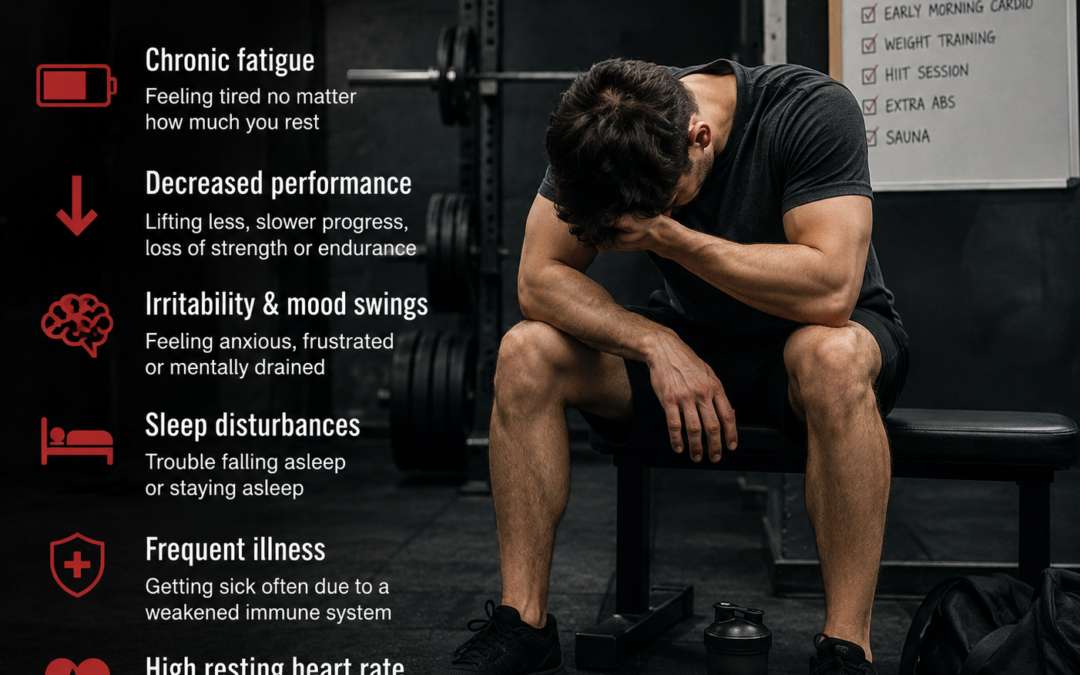
Exercise is one of the best anti-inflammatory tools available. However, like many good things, more is not always better. Excessive exercise without adequate recovery can create chronic stress on the body. This is known as overtraining. Overtraining occurs when the body is repeatedly stressed without enough time to recover and adapt. The result is often the exact opposite of what people are trying to achieve. Instead of becoming healthier, the body begins to break down.
Signs of Overtraining
Many seniors mistakenly believe that soreness, fatigue, and exhaustion are signs of progress. In reality, they can be warning signs.
Common symptoms of overtraining include:
- Persistent fatigue
- Decreased exercise performance
- Difficulty sleeping
- Elevated resting heart rate
- Increased muscle soreness
- Joint pain
- Frequent illness
- Loss of motivation
- Mood changes or irritability
- Lack of enthusiasm for workouts
- Slower recovery between exercise sessions
Some individuals may even notice increases in blood pressure or blood sugar levels despite exercising more. These are signs that the body is waving a caution flag.
Recovery Is Where Progress Happens
One of the greatest misconceptions in fitness is that improvement occurs during exercise. The truth is that improvement occurs during recovery. Exercise creates a stimulus.
Recovery creates the adaptation.When you strength train, your muscles become stronger during the repair process. When you perform cardiovascular exercise, your heart and lungs improve during recovery. Without sufficient rest, the body never fully adapts. For seniors especially, recovery becomes increasingly important because the body’s repair processes naturally slow with age. This does not mean older adults should train less. It means they should train smarter.
Fitness Is a Long-Term Investment
Many people chase short-term physical changes. They want visible abs, larger muscles, or rapid weight loss. While there is nothing wrong with wanting to look your best, appearance alone can be misleading. A person may look fit but have elevated blood pressure, poor blood sugar control, high triglycerides, chronic inflammation, and poor cardiovascular health.
Conversely, another person may not have a “perfect” physique but may possess excellent blood work, healthy blood pressure, strong endurance, and low inflammation. Which person is truly healthier? The answer is obvious.
The Goal Is a Healthy Life
As we age, fitness should become less about appearance and more about function. Can you walk comfortably? Can you climb stairs? Can you play with your grandchildren? Can you travel?Can you maintain your independence? Can you avoid disease and enjoy life? Those are the victories that matter. The mirror may tell you how you look. Your blood pressure, A1C, triglycerides, cardiovascular fitness, and CRP levels tell you how healthy you are. Never forget that the body you cannot see is more important than the body you can.
The outside may impress people. The inside determines how long and how well you live. Train hard enough to improve, but wisely enough to recover. In the long run, health always trumps appearance.