In a culture that often worships youth, many people begin to fear aging. Wrinkles become something to hide. Gray hair becomes something to color. Slower movement becomes something to apologize for. Yet the truth is simple and powerful: growing old is a privilege denied to many. Every birthday is evidence that you are still here. You are still breathing, learning, loving, struggling, overcoming, and becoming. Aging is not something to resent; it is something to respect.
As a personal trainer working primarily with adults over 55, I have seen something remarkable. The people who age best are not necessarily the strongest, richest, or healthiest people. The people who age best are often the ones who develop gratitude for life itself. They understand that every season of life has value. Many people never get the opportunity to grow old. Disease, accidents, war, addiction, and tragedy have taken countless lives far too early. When we begin to complain excessively about aging, we sometimes forget the incredible gift contained within it. The wrinkles on your face may actually represent decades of laughter, tears, wisdom, hard work, sacrifice, and perseverance.
Aging also brings perspective. When we are young, we often spend years chasing things that ultimately do not matter very much. We worry about appearances, status, possessions, and the opinions of others. But as we grow older, many of us begin to realize that the things that matter most are relationships, peace of mind, purpose, faith, health, and time with those we love.
There is a quiet wisdom that often comes with age. Older adults understand things that younger people simply cannot yet comprehend. They understand loss. They understand resilience. They understand that life can humble you quickly. They also understand that joy is often found in simple things: a walk outside, a conversation with a grandchild, a morning cup of coffee, a quiet evening, or the ability to move without pain.
Growing old teaches us to appreciate moments instead of constantly chasing milestones. One of the greatest privileges of aging is the opportunity to continue growing emotionally, mentally, spiritually, and physically. Many people mistakenly believe growth stops at a certain age. Nothing could be further from the truth. Some people become kinder with age. Some become wiser. Some become healthier in their 60s and 70s than they were in their 40s. Some discover purpose late in life. Some finally learn how to forgive, how to rest, or how to truly love others.
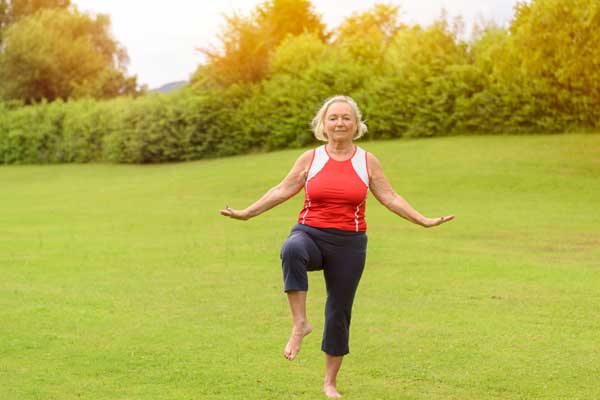
In many ways, aging can refine a person. I often tell my clients that exercise after 55 is no longer simply about appearance. It becomes about preserving freedom, dignity, and independence. It becomes about being able to travel, play with grandchildren, climb stairs, carry groceries, and continue participating in life. Exercise allows people to age with strength and confidence rather than fear and frailty.
Movement is one way we honor the privilege of growing older. Taking care of your body is not vanity; it is gratitude in action. Unfortunately, society often sends the wrong message about aging. We hear phrases like “over the hill” or jokes that portray older adults as irrelevant or incapable. But many older adults are still mentoring, creating, teaching, leading, loving, and contributing tremendously to society. In fact, some of the most emotionally balanced and inspiring people you will ever meet are older adults who have weathered life’s storms and emerged with compassion and perspective.
Aging also gives us the opportunity to leave a legacy. Young people may remember what you said, but they will never forget how you made them feel. Your patience, kindness, wisdom, encouragement, and example can influence generations. A grandparent’s words can shape a child forever. A mentor’s encouragement can redirect someone’s life. An older adult who remains hopeful and engaged teaches younger people how to face life with courage.
There is tremendous dignity in aging gracefully.That does not mean pretending everything is easy. Aging comes with challenges. Bodies change. Energy levels fluctuate. Loss becomes more familiar. Sometimes there is pain, loneliness, or fear. But even within those struggles there can still be purpose, growth, and meaning. Emotionally healthy people understand that life is not about remaining young forever. It is about remaining alive in spirit.
One of the most beautiful qualities I see in emotionally fit individuals is acceptance. Acceptance does not mean giving up. It means recognizing where you are in life and choosing gratitude instead of bitterness. It means appreciating what your body can still do rather than obsessing over what it cannot do anymore. As I wrote in my work on emotional fitness, emotional maturity involves gratitude, acceptance, responsibility, and respect for life itself. Those qualities become even more important as we age.
The goal is not merely to live longer. The goal is to live better.
To stay curious.
To stay connected.
To keep moving.
To keep learning.
To keep loving.
To keep giving.
Aging should remind us that time is precious. None of us know how much time we have left. That reality should not frighten us; it should awaken us. It should motivate us to take care of ourselves, repair relationships, express love more freely, and spend our days wisely.
Every gray hair tells a story.
Every wrinkle carries experience.
Every scar represents survival.
Growing old is not something to fear. It is something to earn. So if you are getting older, do not apologize for it. Be grateful for it.
Many people never got the chance. And if you are blessed enough to grow old, then do it with strength, humility, gratitude, wisdom, and purpose.
That is not a burden.
That is a privilege.