Most people who struggle with their weight have tried the same approach at least once. They work out harder. They stay longer at the gym. They sweat more. They try to “burn off” a weekend of bad eating or a pattern of daily indulgences. It feels reasonable. It feels disciplined. But it does not work. The truth is simple. Training is powerful, but food has the final say. No amount of effort in the gym can undo a poor diet, and understanding why helps you stop fighting a losing battle and start seeing real progress.
- Exercise Burns Far Fewer Calories Than People Assume
Your brain wants to believe a tough workout burns a mountain of calories because it feels like it should. When your lungs burn, your shirt is soaked, and your legs ache, you want credit for it. But the numbers tell a different story.
- A 45 minute lift might burn 200 to 300 calories.
- A long run might reach 500.
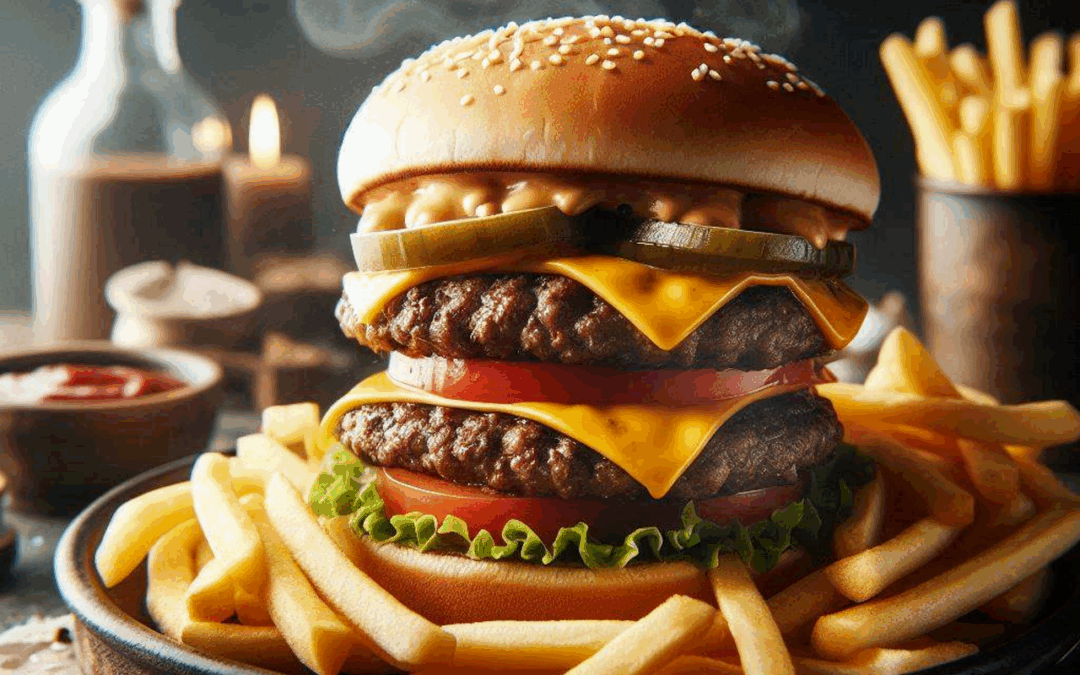
- A high calorie meal can break 1,000 without you even trying.
Calories are easy to eat and hard to burn. That imbalance alone makes it close to impossible to erase poor eating habits with workouts. Even elite athletes who train for hours each day watch their food closely because they know training does not give them a free pass.
Your body follows the laws of energy. Eat more than you burn and you gain. Burn more than you eat and you lose. Most people treat exercise as the main lever. In reality, it is the smaller one. You spend one hour training. You spend the other twenty three hours living, eating, and recovering. That means the majority of your results come from how you eat, not how you train. Poor eating keeps your calorie intake high, and even serious training cannot keep up with it.
- Bad Food Weakens Every Workout
When you eat poorly, you feel it in the gym.
- Weak lifts.
- Sluggish runs.
- Slow recovery.
- More soreness.
- More cravings.
Your body uses food to rebuild muscle, fuel performance, and support recovery. If you feed it low quality fuel, you get low quality performance. Over time, this reduces the intensity and volume of your training, which means you burn fewer calories and build less muscle. It is a double hit.
- Your Body Doesn’t Magically “Burn Off” Junk Ingredients
People imagine that a workout cancels out whatever they ate. But exercise does not remove inflammation, toxins, or nutritional gaps. It cannot fix:
- A lack of vitamins and minerals
- Gut issues created by processed foods
- High sodium intake
- Chronic sugar spikes
- Hormonal disruptions caused by overeating
You can sweat all day and still deal with the internal consequences of a poor diet. Training enhances the body’s systems. It cannot repair the damage done by consistent poor eating.
- Hormones Respond More to Diet Than Exercise
Your hormones control hunger, cravings, fat storage, mood, energy, and metabolism. Food hits these systems much harder than training does.
For example:
- High sugar intake raises insulin, which encourages fat storage.
- Low protein decreases fullness, so you overeat later.
- High fat, high salt meals trigger dopamine loops that push you toward more of the same foods.
You cannot out train hormonal signals. If your diet constantly pushes your hormones in the wrong direction, training alone cannot pull them back.
- You Cannot Outsprint a Lifestyle
Training is a habit. Eating is a lifestyle. You might work out five or six times a week, but you eat every day. You snack. You grab quick meals. You eat at night when you are tired. Those choices add up fast. You cannot expect one disciplined hour to beat twenty three undisciplined ones. Success happens when your daily choices support your goals instead of fighting them.
- Health Is More Than Burning Calories
Even if you somehow balanced the calorie math, a bad diet harms you in ways no workout can fix.
- It raises inflammation.
- It strains your heart.
- It weakens your immune system.
- It slows your metabolism.
- It affects your sleep and mood.
Training adds years to your life. A poor diet takes them away. The two will always collide if they are moving in opposite directions.
- When Diet and Training Work Together, the Results Compound
Here is the good news. When you pair solid nutrition with consistent training, your progress speeds up.
- You have more energy.
- You recover faster.
- You burn more fat.
- You build more muscle.
- Your workouts feel better.
Your body rewards alignment. When your food supports your training, everything gets easier.
The Bottom Line
You cannot out train a bad diet because food determines your baseline. It sets the stage for your energy, your performance, your hormones, your calorie intake, and your long term health. Exercise is a tool, but nutrition is the foundation. When you fix the foundation, training becomes more effective and your results become easier to maintain.