Exercise as Preventative Medicine for Shoulders, Hips, and Knees
As we age, the goal of exercise changes. In our 20s and 30s, it might have been about performance. In our 40s and 50s, it may have shifted toward weight control or stress relief. But after 55, the conversation becomes much more serious. It becomes about preservation. It becomes about independence. It becomes about staying upright.The greatest threat to quality of life as we age is not a lack of cardiovascular endurance. It’s not even body fat. It’s joint breakdown, instability, and falls. And this is exactly why seniors need structured, intelligent personal training. Not for vanity, but for longevity.
Exercise as Preventative Medicine
When prescribed correctly, exercise is preventative medicine for the joints.Your joints do not have a direct blood supply like muscles do. They rely on movement to circulate synovial fluid — the natural lubricant that keeps cartilage nourished and surfaces gliding smoothly.
Without regular, structured movement:
- Cartilage stiffens
- Muscles weaken
- Tendons lose elasticity
- Balance declines
- Pain increases
Left alone, this leads to arthritis progression, instability, and an increased risk of falling.
The right exercises — done consistently at least three times per week — stimulate circulation within the joint capsule, strengthen the surrounding muscles, and improve proprioception (your body’s awareness in space). In simple terms: movement keeps joints alive.
But not just any movement.
Targeted movement.
The Three Joints That Matter Most
For seniors, three joints deserve focused attention: the shoulders, the hips, and the knees. These are the joints most vulnerable to pain, degeneration, and fall-related injury.
- The Shoulders: Independence in Action
The shoulder is the most mobile joint in the body — and because of that, it is also one of the least stable.
As posture declines and rotator cuff muscles weaken, the shoulder begins to drift out of optimal alignment. This leads to:
- Impingement
- Inflammation
- Loss of overhead mobility
- Difficulty dressing
- Trouble reaching cabinets
Small things become hard.
The solution is not heavy pressing. It’s stability work. Band pull-aparts. Rows. Controlled overhead mobility drills. Postural strengthening. A trained professional understands how to strengthen the small stabilizers that protect the joint — not just the larger “show” muscles. Strong shoulders mean you can reach, carry, dress yourself, and maintain independence.
- The Hips: The Foundation of Balance
If I had to choose one joint that predicts longevity, it would be the hips. The hips are your power center. They control your stride, your posture, and your ability to stabilize on one leg — which is critical during walking.
When hips weaken:
- Steps get shorter
- Balance becomes shaky
- Lower back pain increases
- Falls become more likely
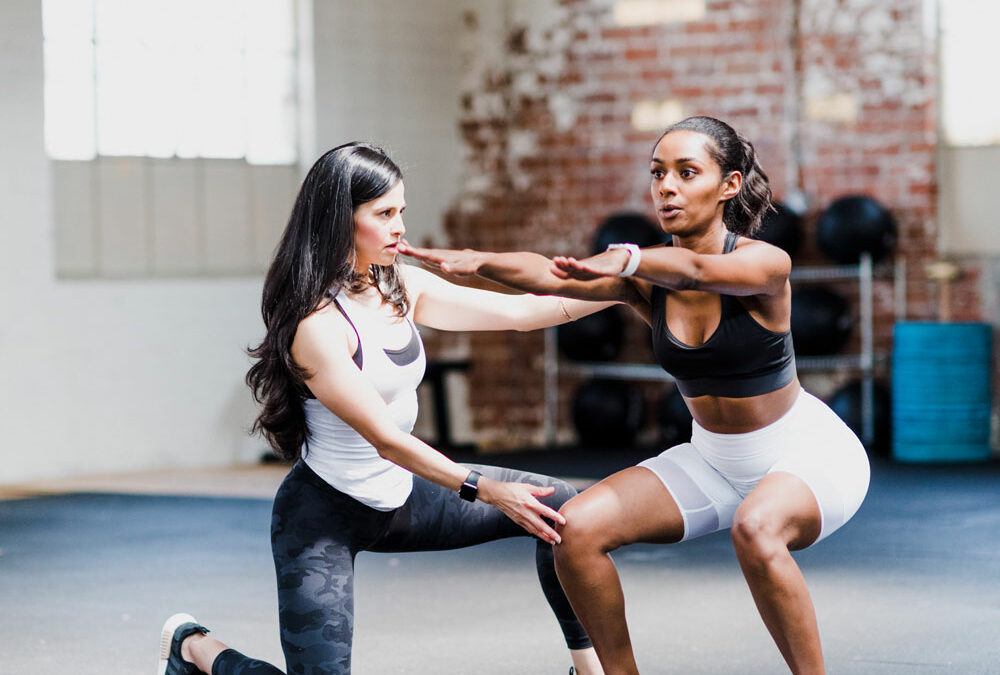
Weak glutes are one of the biggest hidden contributors to knee pain and instability. Hip training is not about heavy squats. It’s about glute bridges, controlled split squats, lateral band walks, and single-leg balance drills. These exercises build stability around the pelvis and reduce stress traveling down to the knees. Strong hips keep you upright. And staying upright is everything.
- The Knees: The Joint Everyone Blames
The knees often get blamed for pain, but they are usually victims of poor hip strength and poor ankle mobility. The knee is a hinge joint. It depends on the joints above and below it to function properly. When the hips are weak and the quadriceps are deconditioned:
- Joint tracking suffers
- Cartilage absorbs more stress
- Arthritis accelerates
- Confidence declines
Many seniors stop training their legs because they believe squatting is “bad for the knees.” In reality, appropriately prescribed squats, sit-to-stands, and step-back lunges strengthen the muscles that protect the knee.
Avoidance leads to weakness.
Weakness leads to instability.
Instability leads to falls.
A structured program prevents that cycle.
Why Three Times Per Week Matters
One session per week is not enough stimulus to maintain joint integrity. Daily intense training isn’t necessary — and often counterproductive. Three structured sessions per week is the sweet spot.
At that frequency:
- Synovial fluid circulates consistently
- Tendons maintain resilience
- Muscle tone is preserved
- Balance pathways are reinforced
- Neuromuscular coordination improves
Consistency transforms exercise into medicine. Without consistency, even the best program fails.
Why Seniors Specifically Need a Personal Trainer
Many adults over 55 fall into one of two categories:
- They stop exercising because they are afraid of injury.
- They continue exercising the way they did at 35 — and aggravate old injuries.
Neither approach works.
A qualified personal trainer — especially one trained in senior fitness and corrective exercise — evaluates:
- Mobility restrictions
- Muscle imbalances
- Balance deficits
- Joint limitations
- Pain patterns
Then prescribes exercises that are protective rather than punishing. This is not random YouTube exercise. It is strategic joint preservation.
A trainer ensures:
- Proper form
- Safe progression
- Accountability
- Appropriate load
- Pain-free range of motion
For seniors, supervision isn’t about intensity. It’s about precision.
Fall Prevention Is the Real Goal
Falls are one of the leading causes of injury in adults over 65. And most falls do not happen because someone is clumsy.
They happen because:
- Balance declines
- Reaction time slows
- Hips weaken
- Confidence drops
Structured joint training improves proprioception — your ability to sense your body’s position in space. Balance drills, single-leg work, and controlled strength exercises build confidence and stability. The stronger and more stable your joints, the less likely you are to fall. And avoiding one fall can change the trajectory of your final decade.
The Marginal Decade – the last ten years of your life.
The question is not how long you live. The question is how well you live during that final stretch.
Will you be independent? Or dependent?
Will you move freely? Or cautiously?
Shoulders, hips, and knees largely determine that outcome.
When trained consistently, they remain resilient. When ignored, they decline.
This Isn’t Bodybuilding
This isn’t about lifting heavy.
It’s about lifting correctly.
It’s not about intensity.
It’s about intention.
It’s not about chasing soreness.
It’s about preserving structure.
Three days per week.
Twenty to twenty-five minutes per session.
Targeted, intelligent movement.
That’s how you protect your joints.
That’s how you extend independence.
That’s how you stay upright.
Strong shoulders let you live independently.
Strong hips keep you balanced.
Strong knees keep you moving.
Train them deliberately.
Train them consistently.
Die vertical.
— Jim Burns
Be Simply Fit™