
When people think about getting stronger, they usually think about muscles. Bigger muscles. Stronger muscles. More toned muscles. But there’s another part of the body that quietly determines how strong, stable, and pain-free we really are—and that’s the tendon.
What Is a Tendon?
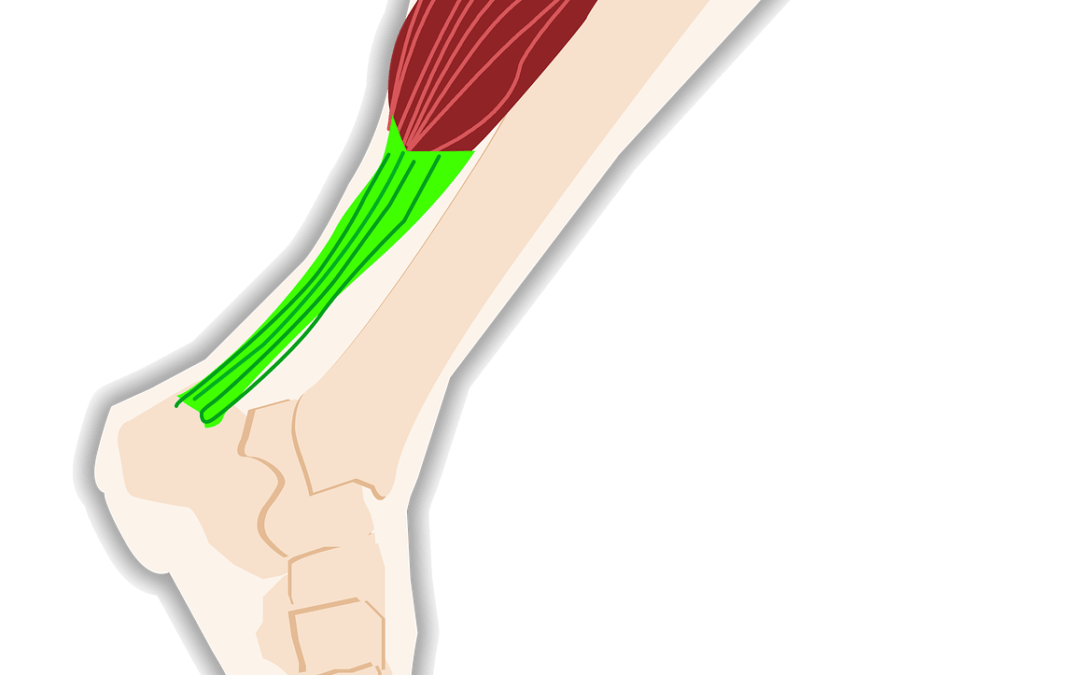
A tendon is a tough, fibrous band of connective tissue that connects muscle to bone.
If muscles are the engine that creates movement, tendons are the transmission. They transfer the force your muscle creates into movement at the joint.
Without healthy tendons:
- Strength can’t be expressed efficiently
- Joints feel unstable
- Pain and inflammation show up quickly
- Everyday movements become risky
Tendons are made mostly of collagen fibers, which gives them incredible tensile strength—but it also means they adapt more slowly than muscles. This is why tendon care requires patience and consistency.
Strong muscles with weak tendons is a recipe for injury.
Why Strengthening Tendons Is So Important—Especially as We Age
As we get older:
- Tendons lose elasticity
- Blood supply to tendons decreases
- Recovery takes longer
- Repetitive movements cause irritation more easily
Strong, well-conditioned tendons:
- Protect joints
- Improve balance and coordination
- Reduce injury risk
- Improve “reactive strength” (your ability to catch yourself if you stumble)
- Allow you to stay active longer
Tendon strength is foundational for walking, climbing stairs, reaching overhead, and getting up from the floor.
How Tendons Get Stronger (This Is Key)
Tendons don’t respond well to quick fixes.
They respond best to:
- Slow, controlled strength training
- Isometric holds (holding tension without movement)
- Eccentric loading (slow lowering phases)
- Consistent, moderate resistance
Heavy isn’t the goal.
Intentional tension is.
Tendon-Strengthening Exercises by Body Area
Knee Tendons (Patellar & Quadriceps Tendons)
These tendons absorb force every time you:
- Walk
- Sit down
- Stand up
- Go up or down stairs
Best Exercises
- Wall sits (30–60 seconds)
- Slow squats (3–5 second lowering)
- Terminal knee extensions with a band
- Step-downs (slow and controlled)
Coaching tip:
Pain-free range always comes first. Tendons love time under tension, not speed.
Shoulder Tendons (Rotator Cuff & Biceps Tendon)
The shoulder is a shallow joint that relies heavily on tendon integrity for stability.
Best Exercises
- Band external rotations
- Isometric shoulder holds (arm against wall)
- Slow lateral raises (light weight)
- Scapular retraction exercises
Coaching tip:
If the shoulder clicks, pinches, or burns—slow it down and reduce range.
Hip Tendons (Gluteal & Hip Flexor Tendons)
Strong hip tendons are essential for balance, stride length, and fall prevention.
Best Exercises
- Glute bridge holds
- Standing band hip abduction
- Slow step-ups
- Split-stance holds
Coaching tip:
Hips respond extremely well to isometrics—especially for people with balance concerns.
Treating Tendonitis: What Actually Works
Tendonitis is irritation and degeneration of a tendon—often caused by too much, too fast, or too repetitive movement.
What Helps Tendonitis Heal
- Reduce Irritation (Not All Movement)
- Avoid painful ranges
- Keep the joint moving gently
- Isometric Exercises
- Proven to reduce pain
- Restore tendon signaling
- Example: wall sits for knee tendonitis
- Slow Strength Work
- Especially eccentric movements
- Tendons remodel under controlled stress
- Improve Blood Flow
- Light movement
- Heat before exercise, ice after if needed
- Be Patient
- Tendons heal slower than muscles
- Progress happens in weeks, not days
Complete rest weakens tendons. Smart loading heals them.
The Big Picture
Healthy tendons:
- Make strength usable
- Make movement safer
- Make aging more confident
If your goal is longevity, independence, and resilience, tendon training is not optional—it’s essential.
Strong tendons are what allow your muscles to show up when you need them most.
Jim Burns CPT, SFS, CES, MA, DHL
Connect with Me
besimplyfit23@gmail.com