In today’s health and fitness world, GLP-1 medications and low glycemic index (GI) diets are often discussed as tools for weight loss and blood sugar control. While both aim to solve the same problem—unstable blood sugar, overeating, and excess body fat—they work in very different ways. Understanding the difference helps explain why, even though a low-GI approach may feel slower, it is often the better long-term solution for health, independence, and longevity.
GLP-1, or glucagon-like peptide-1, is a hormone naturally released by the gut after eating. Its job is to slow digestion, reduce appetite, and help regulate insulin and blood sugar. GLP-1 medications amplify this natural signal and keep it active for days instead of minutes. The result is powerful appetite suppression, smaller portions, and rapid weight loss. For many people—especially those with obesity or type 2 diabetes—this can feel life-changing. Hunger quiets down, cravings decrease, and the scale moves quickly.
However, GLP-1 works primarily from the “top down.” It changes how much you want to eat, but it does not teach the body how to handle carbohydrates better, nor does it automatically improve food quality, muscle mass, or long-term metabolic resilience. When weight loss happens too quickly—especially without resistance training and adequate protein—muscle loss can occur alongside fat loss. And if lifestyle habits are not rebuilt, weight regain is common once the medication stops.
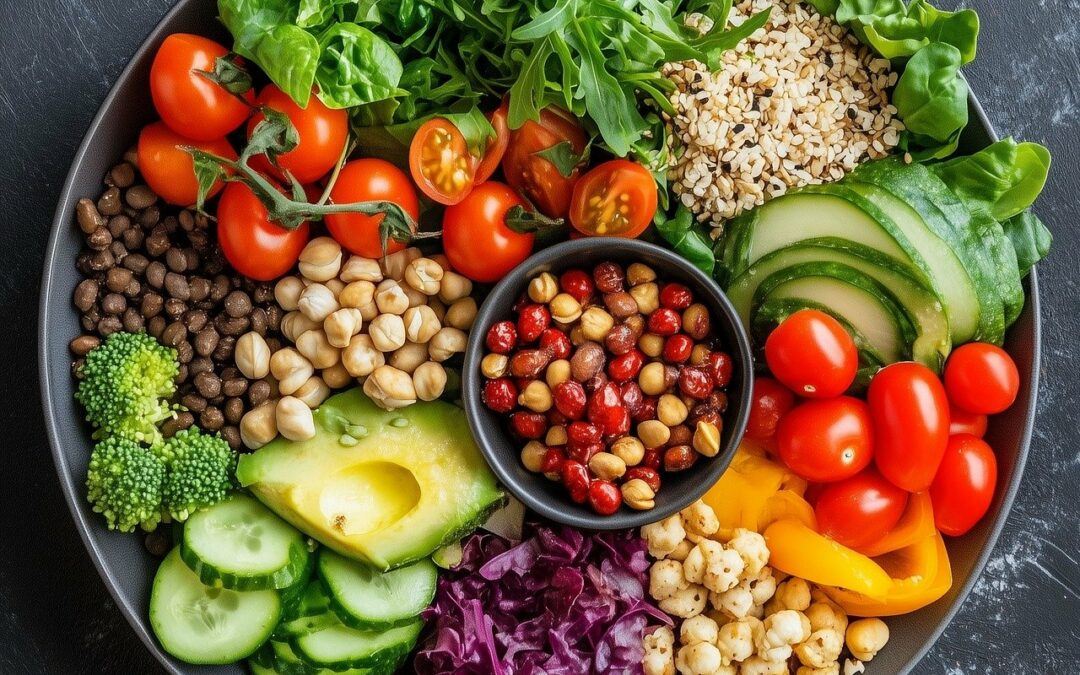
A low glycemic index diet works differently. Instead of changing appetite signals directly, it focuses on how quickly foods raise blood sugar. Low-GI foods—such as vegetables, beans, intact whole grains, protein, healthy fats, and fermented foods—enter the bloodstream slowly. This leads to smaller insulin spikes, steadier energy, fewer crashes, and more predictable hunger signals. People often find they eat less not because appetite is suppressed, but because their body no longer swings between highs and lows.
While weight loss on a low-GI diet is typically slower, it is also more durable. Stable blood sugar reduces fat storage, improves insulin sensitivity, and naturally supports the body’s own GLP-1 production. In other words, low-GI eating gently turns on the same hormonal pathways that GLP-1 medications target—just without forcing them. Over time, this approach preserves muscle, supports strength training, and builds metabolic independence.
The key difference is sustainability. GLP-1 can be an effective tool to get someone started, especially when health risks are high. But a low glycemic index diet builds skills and habits that last. It teaches the body to manage glucose efficiently, reduces reliance on medications, and supports long-term health—especially important as we age.
Slower is not weaker. Slower means fewer side effects, less muscle loss, better energy, and a body that learns to work for you instead of against you. In the long run, the low-GI approach isn’t just about weight loss—it’s about resilience, independence, and staying strong for life.
Get The Glycogen Reset: A Metabolic Rhythm For Every Decade
DISCLAIMER
This article is meant for educational purposes only and is not medical advice. Always consult your physician before beginning any exercise or diet program.