I use the phrase “dying vertical” intentionally. It’s not meant to be dramatic—it’s meant to be directional. I believe we should all aim to live so fully, so physically capable, and so resilient that when the end eventually comes—whether at 90, 95, or beyond—we are still upright, mobile, and engaged with life. Too often, the decline into old age is accepted as inevitable. It shouldn’t be.
The Moment We Lie Down, We Begin to Lose Ground
One of the most dangerous turning points in aging is not a diagnosis—it’s inactivity. The minute someone gets sick, injured, or discouraged, they lie down. And while rest has its place, prolonged horizontal living comes at a steep cost.
When we lie down for too long:
-
Muscles weaken rapidly
-
Bones lose density
-
Joints stiffen
-
Balance deteriorates
-
Organs function less efficiently
-
Confidence erodes
Research shows that older adults can lose up to 5% of muscle mass per week during bed rest. That loss doesn’t just affect strength—it affects independence. Getting up from a chair, climbing stairs, carrying groceries, or simply walking safely all depend on muscle, bone, and coordination that only stay sharp when they are used. The body is designed to work against gravity. When we stop standing up to it, gravity wins.
Vertical Living Is a Survival Skill
Being upright isn’t just about posture—it’s about physiology. Standing, walking, and loading the body:
-
Stimulates bone growth and maintenance
-
Preserves muscle and tendon strength
-
Improves circulation and heart health
-
Supports digestion and lung capacity
-
Maintains balance and neurological coordination
This is why falls are so devastating later in life. They often represent the first time someone is suddenly forced into a horizontal existence they can’t escape from. A single fall can begin a downward spiral of fear, inactivity, and dependence. Dying vertical means doing everything possible to avoid that spiral.
Strength Is the Real Anti-Aging Medicine
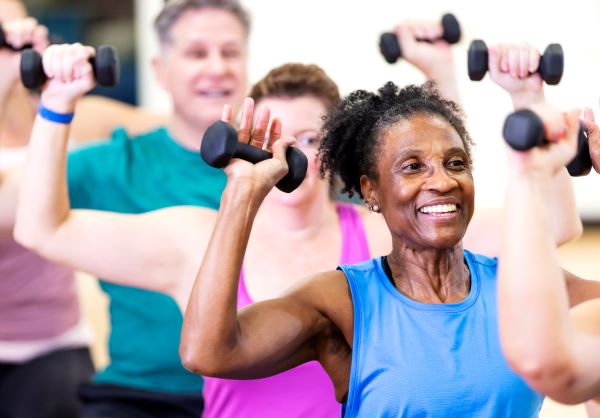
Longevity isn’t about living longer—it’s about staying capable longer. Strength training, balance work, and regular movement are not optional luxuries for older adults; they are non-negotiables. Even modest, consistent training:
-
Protects joints
-
Maintains independence
-
Preserves dignity
-
Keeps people out of hospitals and nursing homes
You don’t need to train like an athlete. You need to train like someone who plans to stand up for the rest of their life.
Upright Is a Mindset, Not Just a Position
There is also a psychological component to dying vertical. When people stay upright, they stay engaged. They remain participants in life rather than observers. Standing, walking, and moving reinforces identity, confidence, and purpose.
Lying down says, I’m done. Standing up says, I’m still here.
The Goal Is Simple—but Powerful
Dying vertical doesn’t mean ignoring illness or pretending aging doesn’t exist. It means refusing to surrender early. It means training today so tomorrow doesn’t take your legs, your balance, or your independence away from you.If we do this right, the end doesn’t come because the body slowly collapsed—it comes because life simply ran its course.
And when that day comes, may we all still be standing.
James Burns, Certified Personl Trainer
Be Simply Fit, LLC
besimplyfit23@gmail.com
732-773-9855