Have you ever wondered why your parents did some of the things they did? I did—many times. My dad had so many regimented habits that, as a kid, I thought he had a screw loose or something. I’m only going to talk about two of those habits here, because there are far too many to fit into one essay.I spent a lot of time observing my dad as a kid—listening to him, watching him—and it wasn’t until I was about forty years old that I began to understand some of the benefits of his behavior. More recently, I’ve come to understand even more.
My dad had an unbelievable fear of getting a cold. He came home from World War II with malaria and tuberculosis, and he was always cautious about sharing food, towels, cups, and silverware. Any watermark on silverware in a restaurant was sent back immediately. I remember one time in a New York restaurant when a fork was sent back three times. Some people send food back—he sent the silverware back. It got so bad that a guy sitting near us told my dad he thought the waitress was on Candid Camera. If you sneezed, you were accused of trying to bring a cold into the house—essentially trying to kill him. On December 27, 1967, he was hospitalized due to a recurrence of tuberculosis and was sent to the infirmary at the Veterans Hospital in East Orange, New Jersey, for three months. When he came home, anything and everything could give him a cold.
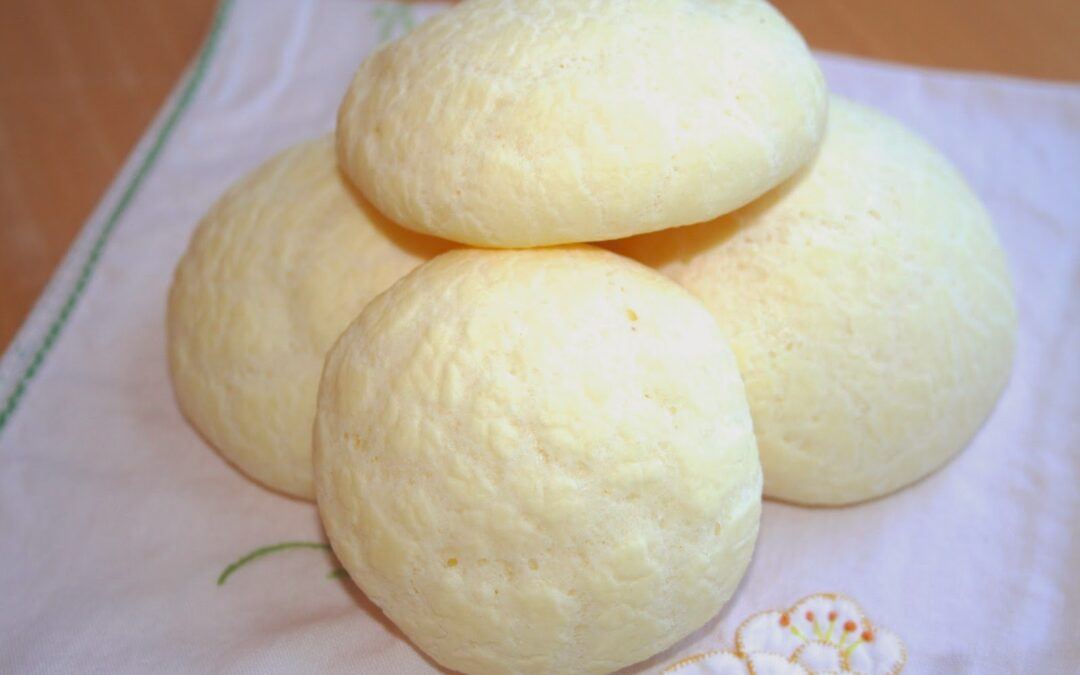
Two things were absolute: cold feet and white flour.
I never saw my father walk around without shoes or slippers on. He wouldn’t walk three feet without putting on a pair of slippers. If you sneezed, he would always ask what you had eaten. My sister, my mother, and I thought he was crazy. Bare feet and white flour would make you sick—and if you got sick, as he put it, “If I get a cold, I am finished.” All of these observations stuck with me.
When I was about forty years old, I started to battle my weight. I was always watching calories and trying to stay in shape. Around that time, the Atkins diet became very popular, along with other diets that restricted carbohydrates—especially foods containing, you guessed it, white flour. Exactly what the old boy had been talking about thirty years earlier.
Suddenly, everyone had a carbohydrate allergy. People were gaining weight, developing type 2 diabetes, high blood pressure, and a host of other health issues—all tied to white flour. I started watching my white flour intake, and I started to lose weight. The stuff I loved as a kid was now something that could kill me. The thing my father said could make me sick was making me sick.
More recently, I was walking around the backyard wearing a pair of flip-flops. I have a tendency to drag my feet when I walk, primarily because I have flat feet—something I also inherited from my dad. I walked from the shed to the concrete walkway and slammed my right foot into an Adirondack chair. I’m pretty sure I broke the middle toe; at the very least, it looked broken. The next day, while passing through the garage, I stubbed the same toe on a hand weight lying in the middle of the floor. I got into the car in agony, looked down at my foot—still wearing the same $3 flip-flop—and I could hear my father’s voice:
“Will you please put your slippers on?”
This wasn’t the first time I had stubbed that toe, but it was the first time it dawned on me that my father knew me—because I was just like him. He didn’t want me to go through the same pain he had experienced. He didn’t want me to get fat or stub my toes; he just had a strange way of letting me know. I don’t think he ever explained why he did what he did. That’s probably why it took me thirty years to figure it out on my own.
If I could ask for one thing, it would be that my two daughters learn the reasons behind why I do what I do more quickly than I learned from my father. Kids ask the question all the time:
“Why do we have to do this?” Sometimes, by the time that question gets answered, it’s too late.
Reflective Closing (Memoir Addition)
As I get older, I’ve begun to understand that much of what our parents tried to teach us wasn’t delivered in lectures or explanations. It came through habits, routines, and sometimes behaviors that made no sense at the time. My father didn’t hand me a list of rules for staying healthy or avoiding pain. He simply lived in a way that reflected his fears, his experiences, and his hard-earned understanding of consequences. He had survived war, illness, and loss. He understood vulnerability in a way I couldn’t as a child. What looked like obsession or rigidity was, in many ways, his attempt to control what little he could in a world that had already taken too much from him. Shoes on his feet and food on his plate weren’t just preferences — they were safeguards.
It’s strange how life circles back. The older I get, the more I hear his voice — not in criticism, but in quiet reminders. Wear the slippers. Be mindful of what you eat. Pay attention. Take care. These aren’t rules anymore; they’re echoes. And sometimes, they arrive not through wisdom but through pain — a stubbed toe, a tight waistband, a lesson learned late but learned well. If there’s one thing I know now, it’s that understanding often lags behind experience. We don’t always grasp the “why” when it’s offered. We grow into it. And if we’re lucky, we recognize it before the lesson has to be repeated too many times.
So when I tell my own children to do something that seems unnecessary or annoying, I try to remember that I’m not just giving instructions — I’m passing along what I’ve learned the hard way. My hope is that they’ll understand sooner than I did. But even if they don’t, maybe one day they’ll smile, hear my voice in their head, and realize that love sometimes shows up wearing slippers and skipping the white bread.

If you are struggling with your weight, please take the time to get a copy of:
The Glycogen Reset: A Metabolic Rhythm For Any Decade