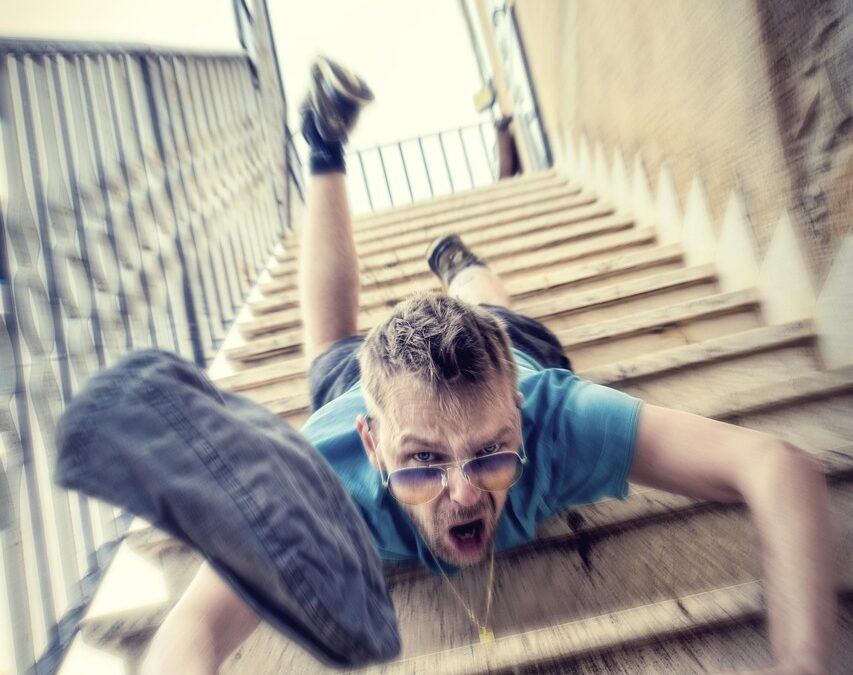
For many older adults, balance problems are one of the most concerning — and least talked about — health issues. A stumble on a curb, a slip in the bathroom, or a missed step on the stairs may seem minor in the moment, but falls are one of the leading causes of injury, hospitalization, and loss of independence in seniors.The truth is this: falling is not just a physical event. It is often a turning point.After a fall, many older adults begin to move less out of fear. Less movement leads to weaker muscles, poorer balance, reduced confidence, and greater isolation. That downward spiral is what seniors fear most — not the fall itself, but what comes after it.
Why Balance Changes With Age
Balance is not controlled by one system in the body. It is the result of several systems working together at the same time. As we age, small changes in each system can add up.
1. Weak Legs and Core Muscles
Strong legs and a stable core are essential for keeping the body upright. When muscles in the hips, thighs, and abdomen weaken, it becomes harder to recover from a misstep or sudden shift in weight. Everyday tasks like getting out of a chair, climbing stairs, or walking on uneven ground become riskier.
2. Poor Proprioception (Body Awareness)
Proprioception is your body’s ability to know where it is in space without looking. It allows you to walk without watching your feet or adjust when the ground feels uneven. With age — and especially with inactivity — this internal “GPS” becomes less sharp, increasing the risk of tripping or losing balance.
3. Vision Changes
Vision plays a major role in balance. Reduced depth perception, difficulty seeing in low light, or slower visual processing can make it harder to judge distances and obstacles. Something as simple as a change in flooring or a step that blends into its surroundings can become a hazard.
4. Medication Side Effects
Many common medications can affect balance by causing dizziness, fatigue, low blood pressure, or delayed reaction time. When multiple medications are taken together, these effects can compound and increase fall risk.
The Real Fear: Losing Independence
When seniors talk about falls, they are often talking about fear — fear of becoming dependent, fear of needing help, fear of losing their home or lifestyle. A single fall can lead to the use of a walker, a cane, or worse, a long-term care facility. That possibility weighs heavily on many older adults.
But here is the hopeful truth: falls are not an inevitable part of aging.
The Power of Prevention
Targeted strength training, balance exercises, and regular movement can dramatically reduce fall risk. Improving leg strength, core stability, coordination, and confidence helps the body respond quickly and effectively when balance is challenged.
Even modest improvements in strength and balance can mean:
-
Greater confidence while walking
-
Safer movement on stairs and uneven surfaces
-
Faster reactions to slips or stumbles
-
Reduced fear of movement
Moving Forward With Confidence
Addressing balance problems early is one of the most important steps an older adult can take to protect their health and independence. The goal is not perfection — it’s resilience. It’s training the body to stay strong, aware, and responsive.
A fall does not have to be the beginning of a decline. With the right approach, it can be prevented altogether.
Strong legs. Steady balance. Confident movement.
These are not just fitness goals — they are independence goals.