My Blog

I’m James Burns
Jim has always understood the benefits of exercise and is an advocate of helping schools build more activity time into student schedules to keep our children active and above all healthy. Jim is certified by the National Academy Of Sports Medicine (NASM) as a personal trainer and believes that exercise is the first step in reducing stress and becoming balanced mentally, socially, emotionally, and spiritually. As an educator Jim believes that knowledge is power and that everyone should understand the benefits of exercise. “I Trained For A Quadruple Bypass” (contained as part of this newsletter) explains his journey from the understanding one’s own health and how one can ready themselves physical, mentally, and spiritually and do so without fear. Having a history of heart disease and stroke in his family Jim has learned that we are not determined by our genetics we are only influenced, and we can change our response to the influence at any time.

From Good Intentions to Meaningful Change
Jim Burns, Behavior Change and Life Coach Most people have something they want to change. They want to become more active, develop healthier habits, manage their time, or move forward with a personal goal they have put off for years. Often, the difficulty is turning...
The Exercise Prescription No One Can Fill for You
We live in a world where we have become accustomed to prescriptions. Your blood pressure is high, and your doctor writes a prescription. Your cholesterol is elevated, and there may be a medication for that. You have pain, inflammation, difficulty sleeping, or another...

Stop the Creep: The Problems That Quietly Grow in Our Lives
Most serious problems in life do not arrive with alarms sounding. They often enter quietly. They begin as small changes that seem insignificant at the time—a few extra pounds, a missed workout, a negative thought, an impatient response, a little resentment, or a...

The Importance of Explaining the “Why” Behind Exercise
A personal trainer’s job should involve much more than counting repetitions, selecting weights, and telling someone which exercise to perform next. One of the most important responsibilities of a trainer is helping clients understand why they are doing an exercise in...

Type II Muscle Fibers: Your Body’s Emergency System for Preventing Falls
As we get older, maintaining muscle is important. But when it comes to preventing falls, simply having muscle may not be enough. We also need the ability to use that muscle quickly. That is where Type II muscle fibers become especially important. Type II fibers are...

Understanding Change
The Change Process Think of the lizard. It spends most of its life on the ground, envying the birds and feeling frustrated by its fate and its shape. It sees itself as ugly, unwanted, and condemned to crawl along the ground. One day, however, Mother Nature asks the...

Food Noise: When You’re Thinking About Food Even Though You’re Not Hungry
Have you ever finished a good meal, felt completely satisfied, and then 30 minutes later found yourself thinking about something to eat? You aren't necessarily hungry. Your body probably doesn't need additional calories. Yet there is a voice in your head saying, maybe...

The Three Kinds of Pain: Know What Your Body Is Telling You
One of the biggest mistakes people make when exercising is assuming that all pain means the same thing. It doesn’t. Pain is information. It is your body's way of telling you that something is happening, but the reason for the pain can be very different from one person...

Creeping Obesity: The Pounds You Barely Notice Until They Add Up
One of the biggest problems with weight gain is that it rarely happens overnight. Most people don't wake up one morning 30 or 40 pounds overweight. Instead, the weight quietly accumulates—a pound here, two pounds there—until one day they look in the mirror, step on...
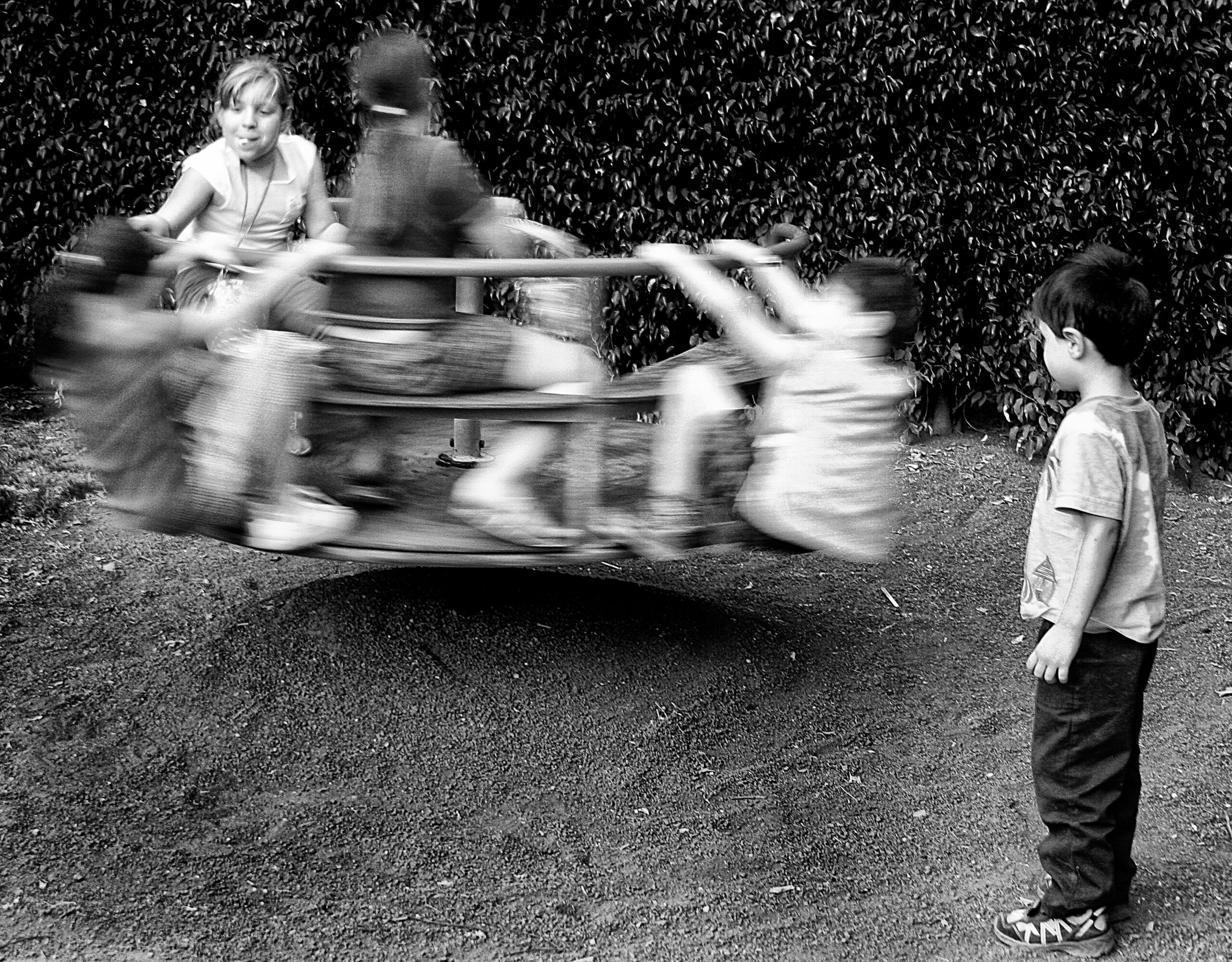
Playground Politics
What Children Learn When We Let Them Play, Compete, and Solve Problems Several years ago, a New Hampshire school district made headlines when it voted to ban dodgeball and other “human target” sports. The concern was that games in which children throw balls at one...